Serotonin production and the body's defense mechanisms"The vast majority of the body's own serotonin is produced in the gut, where the tissue is constantly exposed to foreign substances such as endotoxins. However, all cells in the body can produce serotonin and histamine under stress, and blood platelets are one of the body's defense mechanisms against serotonin; they can bind it and transport it to the lungs, where it is broken down. The lungs have a large capacity to oxidize it." September 2019 – Ray Peat's Newsletter |
Harmful substances in leaves that impair nutrient digestion"Leaves contain many substances that can be harmful and impair the digestion of proteins and other nutrients, for example tannins and polyunsaturated fatty acids." September 2017 – Ray Peat's Newsletter |
Buffering function of blood and liver in nutrient transport"The blood and liver act as buffers between the intestine and the various specialized tissues and organs, with serum albumin playing an important role in binding and transporting a variety of nutrients and potential toxins." September 2017 – Ray Peat's Newsletter |
Digestive benefits and protective components of milk"Their functions begin in the digestive system with a guiding and supportive effect, preparing the gut's defense mechanisms against the environment. The plant substances that are destroyed in the rumen—tannins, lignin, and polyunsaturated fatty acids—are cumulatively toxic to the gut. Apart from the fact that milk is almost free of these substances, it contains substances that promote the absorption of essential nutrients; however, it can also be viewed as providing nutrients without containing substances that damage the gut and impair nutrient absorption." September 2017 – Ray Peat's Newsletter |
Slow food digestion promotes the growth of intestinal bacteria."If a food is not digested quickly by the body, it promotes the growth of bacteria in the gut." September 2017 – Ray Peat's Newsletter |
Stress and endotoxin: inflammatory reactions and aromatase activation"Endotoxin, which is absorbed from the gut during stress, promotes many inflammatory reactions and activates aromatase." November 2016 – Ray Peat's Newsletter |
Protective role of glucose for gut health during stress"Intense or prolonged stress damages the intestine, impairs its barrier function, and allows bacterial toxins – especially endotoxins – to enter the bloodstream. Glucose is the crucial factor for protecting the intestinal epithelium during stress." March 2017 – Ray Peat's Newsletter |
The role of endotoxin in the activation of inflammatory processes"Endotoxin, a lipopolysaccharide, has a generally excitatory effect that activates inflammatory cell processes and impairs energy production, mediated by cell products such as nitric oxide, carbon monoxide, serotonin, histamine, prostaglandins, estrogens, and various cytokines (interleukins and tumor necrosis factor, TNF). Some of these substances enter the bloodstream from the intestine, others are produced elsewhere in the body, and some are formed in the brain itself when endotoxin is taken up into the brain." March 2017 – Ray Peat's Newsletter |
Progesterone protects organs"All organs affected by a brain injury – kidneys, lungs, intestines, heart, liver, blood vessels, thymus, bones and bone marrow, as well as endocrine glands – are protected by progesterone." March 2016 – Ray Peat's Newsletter |
Overlooked effects of stress on the gut"While the effects of stress on the gut have been known since Hans Selye's description of the general adaptation syndrome (with intestinal bleeding as an early sign of stress), they have not been considered in any of the major studies on brain trauma or strokes." March 2016 – Ray Peat's Newsletter |
Link between encephalitis and organs"The inflammatory, degenerative processes in the brain take several hours to develop, and during these hours, the stress signals from the brain cause changes in the gut that lead to a systemic inflammatory state." March 2016 – Ray Peat's Newsletter |
Oral progesterone: Appropriate response to severe stress"Oral administration of progesterone seems appropriate in any serious stressful situation, as the gut quickly becomes an amplifier of inflammatory reactions." March 2016 – Ray Peat's Newsletter |
The pathway of serotonin: Effects from the gut to the brain"Events in the gut, where most serotonin is produced, in the blood, where it is transported, and in the lungs, where a large part of it is detoxified, affect the brain. Toxins produced by gut bacteria lead to the release of serotonin into the bloodstream, and if the platelets cannot hold it tightly bound until it is broken down in the lungs, some of it enters the brain, where it impairs sleep and other brain functions." July 2019 – Ray Peat's Newsletter |
Therapeutic potential of carbon dioxide application"The direct application of carbon dioxide should be helpful in all those situations where acetazolamide is also beneficial – but without the risk of an allergy to this drug. These include traumatic cerebral edema, altitude sickness, osteoporosis, epilepsy, glaucoma, ADHD, inflammation, intestinal polyps, and arthritis. Diabetes, cardiomyopathy (Torella et al., 2014), obesity (Arechederra et al., 2013), cancer, dementia, and psychoses could also benefit." July 2017 – Ray Peat's Newsletter |
Julien de la Mettrie's Physiology Based on Organ Function"Based on various biological facts – including the intrinsic motility or irritability of the intestines and heart, and the regeneration of the Hydra from small fragments – Julien de la Mettrie proposed a new kind of physiology based on the idea of organization. He argued that thinking was as natural for an organ with the structure of the brain as beating is for the heart. He considered thinking to be perfectly compatible with organized matter." Generative Energy Restoring The Wholeness Of Life |
Intestinal irritation as a cause of tinnitus due to endotoxin"Anything that irritates the intestines can cause tinnitus by increasing the absorption of endotoxin." Email reply from Ray Peat |
Mechnikov's theories on aging, phagocytes, and bacterial toxins"Although Mechnikov believed that phagocytes were responsible for the atrophy of aging, he also believed that bacterial toxins from the intestine dominated the aging process." August-September 1992 - Ray Peat's Newsletter |
Increased adaptability of the organism to toxins"Aging, stress, and heavy alcohol consumption increase intestinal permeability and lead to increased absorption of microbial toxins. Laxatives, carrot fiber (not carrot juice), activated charcoal, and a small amount of sodium thiosulfate reduce the formation and absorption of toxins and increase the body's adaptability. Belladonna can improve bowel function if cramps occur during drug withdrawal." June 1991 - Ray Peat's Newsletter |
Aging, hormonal changes and the balance of the gut flora"The altered hormonal environment and the weakened digestion of an aging organism create a new balance between the animal and the intestinal flora, which sometimes promotes the proliferation of more toxic flora." February–March 1991 – Ray Peat's Newsletter |
Toxic effects of unsaturated oils on health and metabolism"Research demonstrating the toxic effects of unsaturated oils dates back more than 60 years. An article published in my newsletter in 1985 cites some of the most important references. These substances inhibit many enzymes (e.g., in digestion, immune function, coagulation breakdown, and thyroid function), disrupt mitochondrial energy production, and impair communication between cells. Very little is heard about these toxic effects, and there is hardly any funding available for further research in these areas." February–March 1989 – Ray Peat's Newsletter |
Destructive effects of excess cortisol on intestinal mucosa and allergies"Although a physiologically balanced amount of cortisol induces detoxifying enzymes, for example in the gut, an unchecked excess leads to the destruction of these enzymes, resulting in a significant loss of the gut's barrier function and the development of allergies. This effect of cortisol on the thymus and on the gut's detoxifying enzymes very likely explains the frequent association of allergies with viral infections. Since cortisol also has a destabilizing, spasmolytic effect on the nervous system, psychological symptoms—ranging from compulsive behavior to depression or seizures—are also associated with these chronic conditions." August-September 1988 - Ray Peat's Newsletter |
Ray Peat on digestion
Supplements according to Ray Peat
-
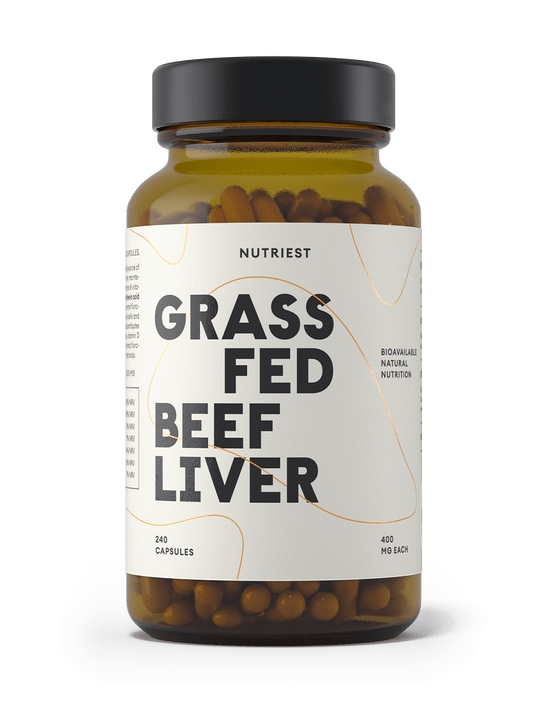
Grass Fed Desiccated Beef Liver Supplement
Regular price €44,99 EURRegular priceUnit price per€42,99 EURSale price €44,99 EUR -
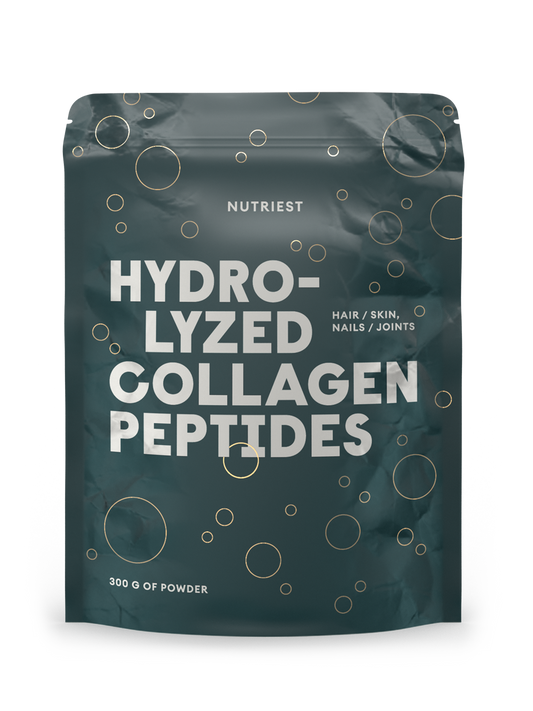
Hydrolyzed Grass-Fed Beef Collagen Peptides
Regular price €29,99 EURRegular priceUnit price per€27,99 EURSale price €29,99 EUR -
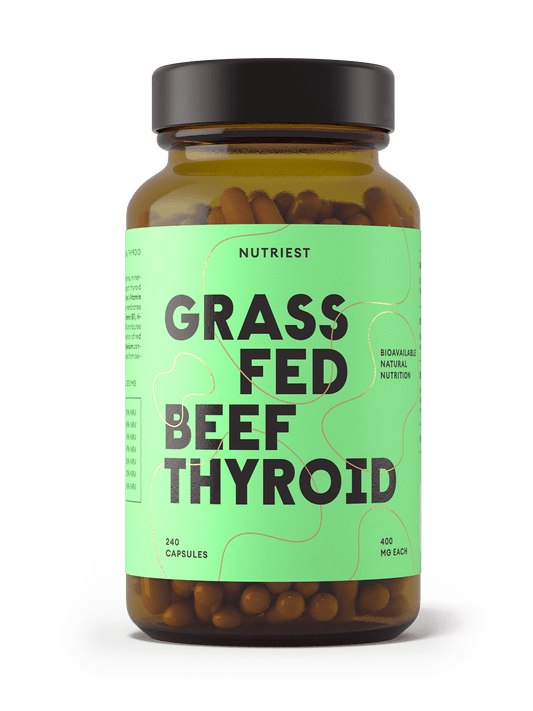
Grass Fed Desiccated Beef Thyroid Supplement
Regular price €59,99 EURRegular priceUnit price per€47,99 EURSale price €59,99 EUR -
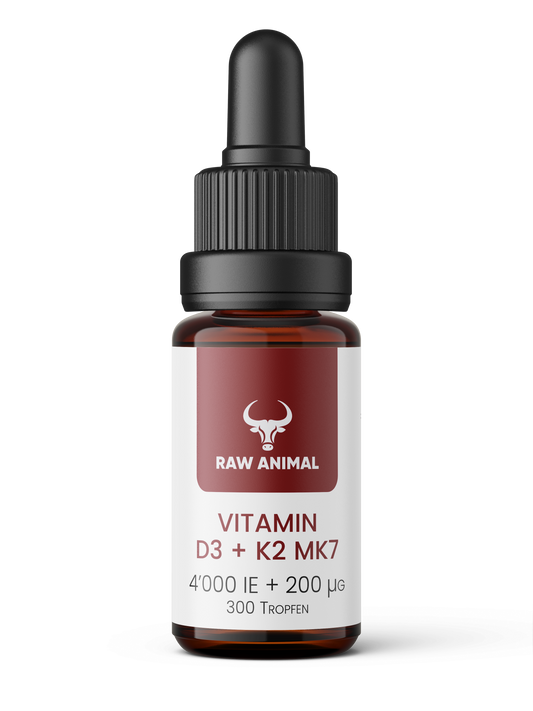
Vitamin D3 + K2 MK7 - 4000 IU + 200 mcg drops
Regular price €19,90 EURRegular priceUnit price per€19,90 EURSale price €19,90 EUR