Stress Management through Correction of Diet and Environment"In general, stress should first be addressed by correcting the underlying deficiency or error – whether environmental or nutritional. An increased nutrient requirement usually includes protein and fat; in acute hypoglycemia, a large amount of sugar may be necessary, indicating that the adrenal glands might be exhausted. In this case, in addition to other nutrients, pantothenic acid, vitamin C, vitamin A, magnesium, and potassium should be supplied." Nutrition For Women |
The Role of Pantothenic Acid in the Treatment of Hyperinsulinism"Pantothenic acid is required by the liver to break down insulin (insulinase). Therefore, hyperinsulinism, which causes hypoglycemia, can sometimes be improved with this nutrient." Nutrition For Women |
Effects of Cancer on Stress Hormones and Nutrient Requirements"Cancer overstimulates the anti-stress hormones of the adrenal cortex and usually leads to severe wasting through the mobilization of fat and protein; blood sugar and glycogen storage are disturbed. During or after cancer treatment, a diet against hypoglycemia seems sensible: frequent small meals, liver (or similar nutrients), magnesium, potassium. Vitamins A, E, C, and pantothenic acid are especially important during stress, but all nutrients are necessary." Nutrition For Women |
Nutrient Requirements for Stress Resistance and Recovery"Stress apparently increases a person's need for all nutrients, including calories and protein. The vitamins most commonly used for stress resistance are A, C, E, and pantothenic acid. The minerals magnesium, calcium, potassium, and zinc can help in the early stages of stress, and sodium supplements may be necessary in the final, extreme stress phase when the adrenal glands are exhausted." Nutrition For Women |
Dietary and Nutrient Recommendations for Stress-Related Mineral Imbalances"Stress disrupts adrenal hormones and mineral metabolism – whether the cause is a chaotic lifestyle or a stressor like surgery. The diet should contain about 90 grams of protein (in frequent meals), eggs as a sulfur source (needed, for example, for the formation of joint lubricants), and the ratio of magnesium to calcium should be high (as in vegetables, bran, fruit), while phosphate intake should remain low (this would include replacing some meat with green leaves and also using cheese). Vitamins C, E, and pantothenic acid are needed in especially large amounts during stress. Vitamins A and B2 are also essential for the production of anti-stress hormones. Inositol is known to protect biological materials from many types of damage and might have this effect in arthritis as well, but I am not aware of research on this specific application." Nutrition For Women |
The Protective Effect of Pantothenic Acid Against Stress Consequences"It was recently found that pantothenic acid in very high doses protects against stress even when an animal’s adrenal glands have been removed. Since this nutrient is needed to break down insulin, I think part of the anti-stress effect comes from minimizing hypoglycemia – thus reducing the required amount of cortisone." Nutrition For Women |
Prevention of Premature Aging through Essential Nutrients"All essential nutrients are constantly needed to prevent the breakdown of the body. At various times, nutrients like vitamin C, pantothenic acid, or vitamin E have been cited as means to prevent premature aging. In our culture, many people actually have severe deficiencies of these nutrients, but any nutritional gap can cause degenerative changes." Nutrition For Women |
Nutrient Requirements for Regulation of Estrogen and Thyroid Function"Besides the nutrients needed to regulate estrogen levels (protein and B vitamins) and the nutrients the thyroid requires (e.g., iodine, manganese, and cobalt), special attention should be given to the anti-stress vitamins involved in progesterone synthesis (vitamin A, pantothenic acid, vitamin C, vitamin E), as well as the nutrients known to be consumed in greater amounts during estrogen excess: especially folic acid, zinc, and vitamin B6." Nutrition For Women |
Relief of Allergies with Vitamins A, C, and Pantothenic Acid"Many people lose their allergies (even hay fever and sensitivity to poison oak) when they take supplements with vitamin A, vitamin C, and pantothenic acid." Nutrition For Women |
Dietary Therapy and Hormonal Support for Abnormal Pap Smears"Many women with abnormal Pap smears – even with a biopsy showing so-called carcinoma in situ – returned to normal findings within just two months with a diet that included: 90 grams of protein, 500 mg magnesium as chloride, 100,000 units of vitamin A, 400 units of vitamin E, 5 mg folic acid, 100 mg pantothenic acid, 100 mg vitamin B6, 100 mg niacinamide, and 500 mg vitamin C – plus thyroid hormone and progesterone as needed. Liver should be eaten twice a week. Some of the women apply vitamin A directly to the cervix." Nutrition For Women |
Insulin, Carbohydrate Cravings, and the Role of Pantothenic Acid"Since insulin remains in the body after breaking down excess sugar, it tends to keep blood sugar low and increase cravings for carbohydrates. Pantothenic acid helps break down insulin; this is one way it helps maintain an adequate blood sugar level." Nutrition For Women |
Vitamins and Thyroid Extract for Treating Allergies and More Serious Conditions"They achieved good results with their allergy patients when giving them supplements of vitamin A, pantothenic acid, and vitamin C. Later, thyroid extract or triiodothyronine as well as magnesium were added to the other supplements – for patients who had more severe problems than ordinary allergies." November 1989 – Ray Peat's Newsletter |
Ray Peat on Vitamin B5
Supplements according to Ray Peat
-
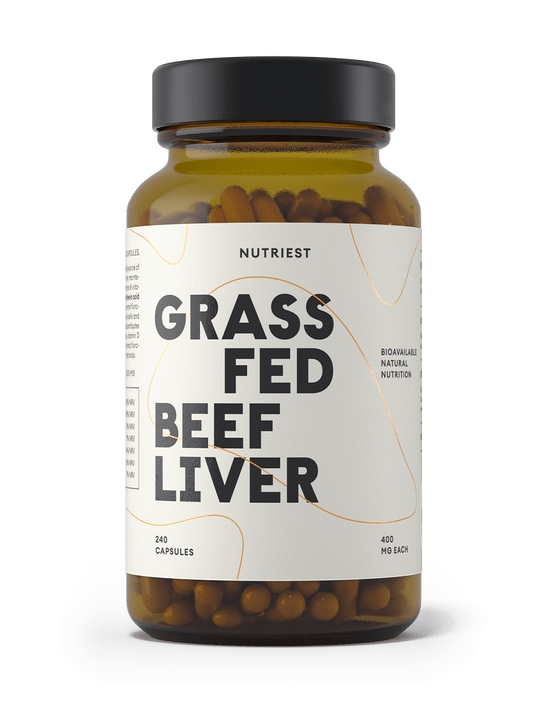
Beef Liver Capsules in Premium Quality
Normal price €44,99 EURNormal priceBase price for€42,99 EURSales price €44,99 EUR -
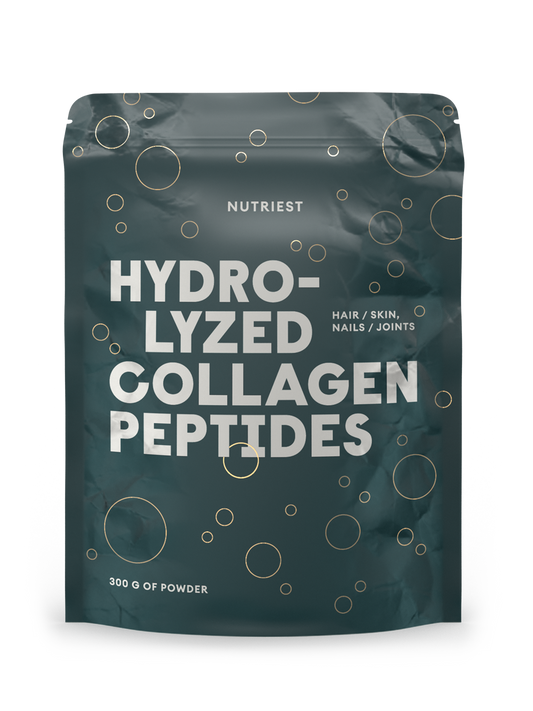
Hydrolyzed Collagen Powder from Pasture-Raised Beef
Normal price €29,99 EURNormal priceBase price for€27,99 EURSales price €29,99 EUR -
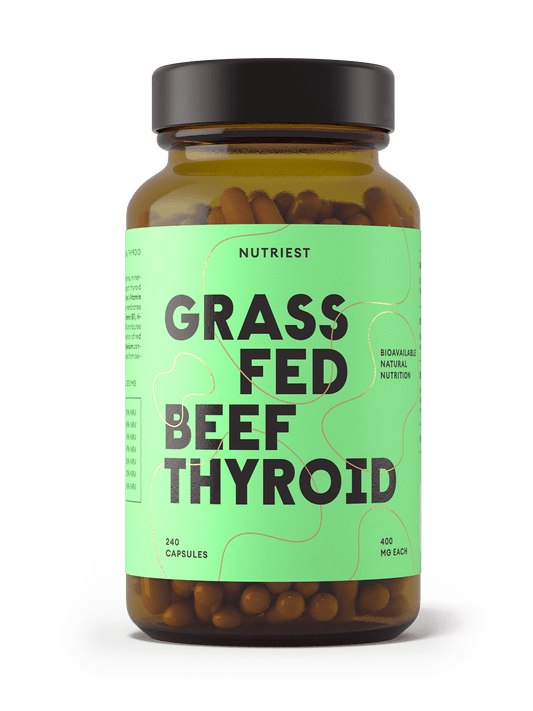
Dried Organic Pasture-Raised Beef Thyroid in Capsules
Normal price €59,99 EURNormal priceBase price for€47,99 EURSales price €59,99 EUR -
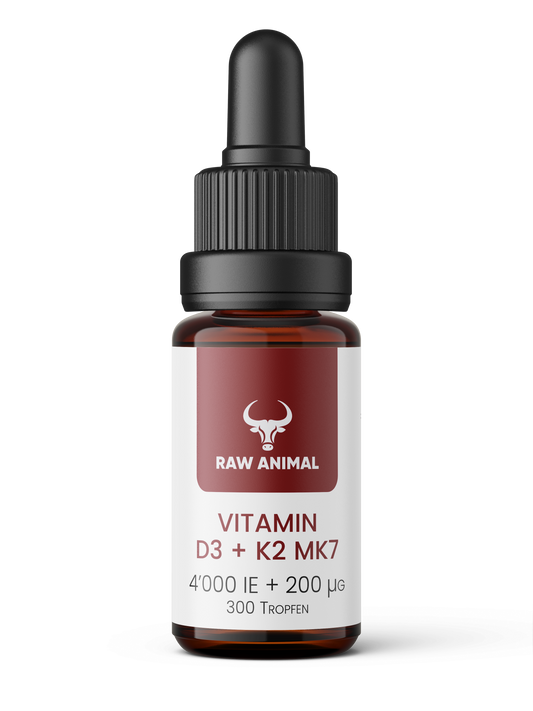
Vitamin D3 + K2 MK7 - 4000 IU + 200 µg Drops
Normal price €19,90 EURNormal priceBase price for€19,90 EURSales price €19,90 EUR